How we write and fact-check our legal articles
This article is general information, not legal advice.
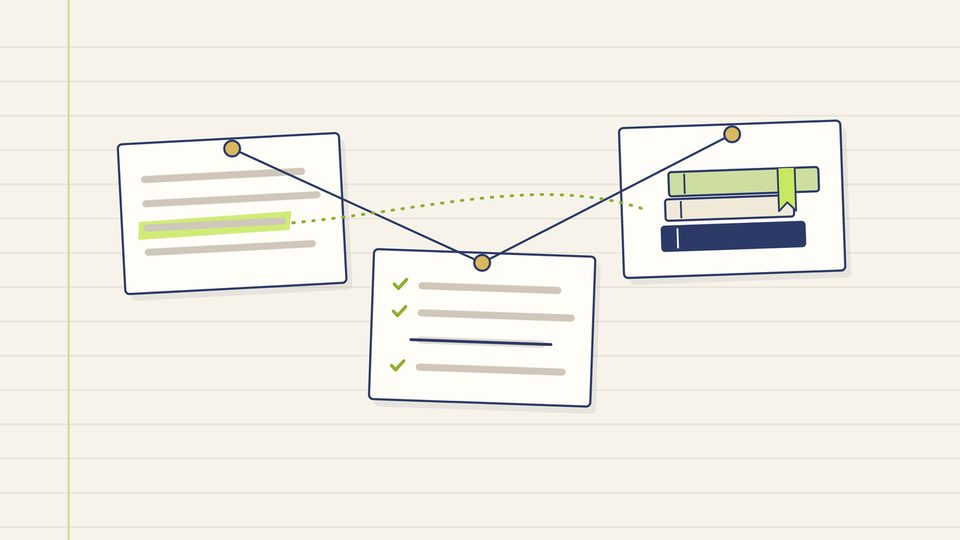
How every article on this website is written and checked: where facts may come from, what we refuse to invent, the fact-check steps and what is missing.
A legal website should show its working
This website writes about law for people who are not lawyers. That is a responsibility. A wrong sentence in an article about rent agreements or legal notices can cost a reader money, a deadline or a right. And the website belongs to a product that does not exist yet: AI Lawyer is planned, with no code, and will be designed only after legal review.
That combination creates an obvious temptation. Fluent text about law is easy to produce, particularly with AI tools, and a coming-soon website can easily fill its pages with confident claims, figures and testimonials it does not have. We would rather show our working. This article sets out how our articles are written and checked, what we refuse to put in them, and what is still missing.
Every sentence must trace somewhere
Our articles make two kinds of factual statement, and each kind has one place it may come from.
- Statements about AI Lawyer come only from the product's own fact file (its description, its planned features, its status, its pricing note, its answers to common questions and its disclaimer) and from the written list of things that may not be claimed about it, which is why some articles say what it will not do. If neither says it, neither do we. That is why every mention of a feature says that it is planned.
- Statements about the law come only from official sources, such as Acts on India Code, notifications in the Gazette of India, and the websites of courts and public bodies such as the National Legal Services Authority. Where an article relies on one, it is listed under Sources at the end.
Everything else in an article is general explanation or editorial view, and it should read that way.
What we refuse to invent
Some things never appear in our articles, because we do not have them:
- customers, users, case studies or testimonials;
- quotations from anyone, including our own team;
- figures such as time saved, accuracy or numbers of users;
- prices, which are not decided;
- approvals, certifications or endorsements from any bar body or court;
- stories presented as if they happened to a real person. When an article opens with a scene, such as an envelope arriving or a contract landing on a Friday, it is a general illustration, not a report of something that happened.
Articles are signed by "The AI Lawyer team", not by an invented author, and they are dated honestly.
How an article is made
- A brief. Each article answers one question a reader might search for. The brief names that question and the facts the article may use.
- A draft. Drafts are written with the help of AI tools, from the brief and the sources.
- An independent AI fact-check. A separate AI model, not the one that drafted the text, checks every factual statement against the product's fact file, the verified facts about this website and official sources, and flags anything wrong, unsupported, or stated more precisely than it can verify.
- A line-by-line review. Each factual sentence is traced to its source. Anything that cannot be traced is rewritten or deleted.
- Publication. An article is published only after it passes, and a record of each check is kept with the website's files.
The pictures are illustrations, either generated with an AI image tool or drawn for the article, and each is captioned as an illustration. They show everyday objects and places, never real people, and never courts, gavels or emblems that could suggest an official body.
Every article carries the product's disclaimer near the top, with the line "This article is general information, not legal advice."
What is still missing
One step is not part of the process yet: review by a qualified advocate. Until it is, the checks above are made with AI models, and the articles are general information only.
If you find an error, please tell us. The contact page lists phone numbers. Please do not send details of your own legal matter, names of parties or documents.
How to judge any legal article
The same tests work on any website, this one included:
- Does it say where its statements about the law come from, and can you open the source?
- Does it carry a date, so that you can judge whether it is current?
- Does it say who wrote it, without inventing experts?
- Does it separate general information from advice on your situation?
- Does it offer advice it is not qualified to give?
The five questions for checking an AI legal answer apply the same thinking to AI tools, the guide to what AI can and cannot do with legal questions explains where AI goes wrong, and the guide to legal research with sources explains where Indian law is published. To see what AI Lawyer itself plans to do, read the product page.
Key takeaways
- Statements about AI Lawyer come only from its product fact file and the list of claims it may not make; statements about the law come only from official sources.
- No invented customers, quotations, figures, prices or approvals, and opening scenes are general illustrations.
- Every article passes an independent AI fact-check and a line-by-line source review before it is published.
- Review by a qualified advocate is not part of the process yet.
Questions
Are these articles written with AI?
Drafts are written with the help of AI tools. Every article is then checked by a separate AI model and reviewed line by line against its sources before it is published.
Has a lawyer reviewed these articles?
No. Review by a qualified advocate is not part of the process yet. The articles are general information only, not legal advice.